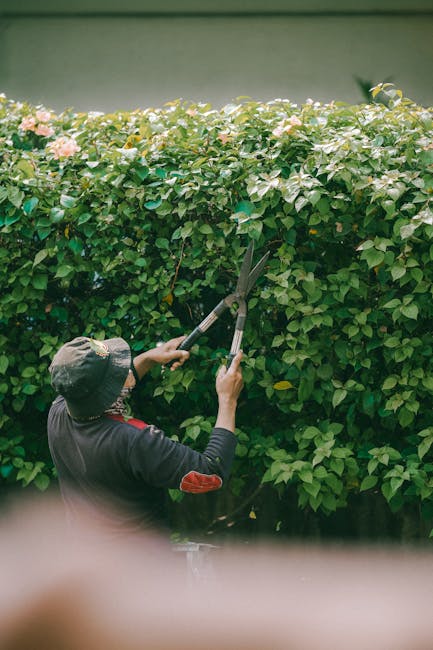
Affordable garden maintenance Golders Green Road for terraces
If you live on or near Golders Green Road and your terrace garden has started to feel a bit unruly, you are not alone. Narrow side access, overlooked corners, pots that dry out too quickly, and the odd burst of weeds can turn a neat outdoor space into something you keep meaning to sort "next weekend". The good news is that Affordable garden maintenance Golders Green Road for terraces does not have to mean cutting corners. Done well, it is about keeping a small outdoor area tidy, healthy, and manageable without paying for extras you do not need.
This guide explains what sensible terrace garden maintenance looks like in a busy North London setting, how to keep costs down, and what to expect from a dependable service. It also covers common mistakes, practical checks, and a few real-world decisions that make all the difference when space is tight and budgets are, let's face it, not unlimited.
For a broader overview of what a local team can cover, you may also want to look at the services overview, or if you are comparing costs and want clarity before booking, the pricing and quotes page is a useful place to start.
Table of Contents
- Why Affordable garden maintenance Golders Green Road for terraces Matters
- How Affordable garden maintenance Golders Green Road for terraces Works
- Key Benefits and Practical Advantages
- Who This Is For and When It Makes Sense
- Step-by-Step Guidance
- Expert Tips for Better Results
- Common Mistakes to Avoid
- Tools, Resources and Recommendations
- Law, Compliance, Standards, or Best Practice
- Options, Methods, or Comparison Table
- Case Study or Real-World Example
- Practical Checklist
- Conclusion
- Frequently Asked Questions
Why Affordable garden maintenance Golders Green Road for terraces Matters
Terrace gardens are different from larger suburban plots. They are often compact, exposed, and highly visible from the house. That means small issues show quickly. A few pots with dead stems, a slippery patch of moss, or a hedge that is just a little too enthusiastic can make the whole space feel neglected. On a terrace, every detail counts.
Affordable maintenance matters because the garden still needs regular care even when there is not much of it. In a smaller space, skipping one or two tidy-ups can create more work later. A few weeds left between paving joints can spread. A clogged planter can turn into poor drainage. A compact lawn, if you have one, can become patchy faster than you would expect. A modest, regular routine is usually cheaper than trying to rescue an overgrown space every few months.
There is also the practical side of living on Golders Green Road. Access can be awkward. Parking may be limited. Front terraces and rear access routes may be narrow. All of that affects how maintenance is planned and priced. A thoughtful service understands that and works efficiently rather than simply adding labour for the sake of it.
Key point: affordable does not mean bare minimum. It means choosing the right tasks, the right frequency, and the right level of attention for a terrace garden that needs to look cared for without becoming a weekly expense.
How Affordable garden maintenance Golders Green Road for terraces Works
Good terrace maintenance usually starts with a quick assessment. That assessment should look at the size of the space, plant types, access, waste removal needs, and how often the garden tends to get messy. A small, sunny terrace with lots of pots behaves differently from a shady one with mixed borders and climbing plants. That sounds obvious, but you would be surprised how often it gets overlooked.
Most affordable garden maintenance plans are built around repeatable tasks. These may include hedge trimming, weeding, pruning, light lawn care where relevant, deadheading, leaf clearance, pot tidy-ups, and sweeping patios or steps. If the space is mainly containers and hard landscaping, maintenance may focus more on plant health, watering routines, and keeping surfaces clean and safe.
Efficiency matters. The best teams work in a sequence that avoids wasted movement. They will often start by clearing debris, then tackle pruning and trimming, then handle detailed work such as shaping, edging, or container care. That saves time, which in turn helps keep costs under control. To be fair, it is the sort of thing you only notice when it is done badly.
Some customers prefer a one-off tidy-up before a family event, a property viewing, or a change of season. Others need fortnightly or monthly support to keep the garden from drifting into chaos. There is no single right answer. The right approach depends on how you use the terrace, how much time you have, and how much you want to do yourself.
Key Benefits and Practical Advantages
The most obvious benefit is visual. A neat terrace garden makes the whole home feel calmer and more cared for. But there are several less obvious advantages too, and these are often what make maintenance feel worth the money.
- Lower long-term repair costs: regular trimming and clearing helps prevent problems from building up.
- Better plant health: tidier soil, pruning, and feeding routines usually improve growth and flowering.
- Safer surfaces: less moss, leaf build-up, and debris on steps and paving.
- More usable space: a terrace that is maintained properly feels larger and easier to enjoy.
- Less stress: you are not trying to solve four months of garden neglect in one rushed afternoon.
There is also a strong lifestyle benefit. A terrace garden should be somewhere you can actually sit with a coffee, open the doors on a mild evening, or enjoy a bit of fresh air without feeling embarrassed by the state of the place. That matters more than people admit.
For landlords and property managers, the benefit is even more practical. A tidy external space supports first impressions, reduces complaints, and shows that the property is being looked after. If you are arranging maintenance as part of a wider service plan, the about us page can help you understand the kind of local approach a professional team should bring.
Who This Is For and When It Makes Sense
This kind of maintenance is a good fit for a wide range of people. If you are living in a terraced property and your garden is mainly containers, a paved yard, a small lawn, or a narrow planted strip, you will probably benefit from a regular service. It is especially useful if you work long hours, travel often, have mobility limits, or simply do not enjoy the repetitive bits of garden care.
It also makes sense in a few common situations:
- You have let the garden slide over winter and want it back under control.
- You want a tidy outdoor area for children, visitors, or summer use.
- You need someone who can manage the garden reliably while you focus on work or family.
- You are preparing to sell, rent, or hand back a property and want the outside to look presentable.
- You like the garden but do not want to spend every spare Saturday pruning and sweeping.
There is no shame in outsourcing the repetitive jobs. In fact, many people on busy roads like Golders Green Road choose a service precisely because it saves them time and avoids the "I'll do it later" cycle. We have all been there. The secateurs come out, the tea goes cold, and suddenly it is dark.
Step-by-Step Guidance
If you want an affordable result, it helps to think clearly about the process. A good terrace maintenance plan is usually simple, but it should still be deliberate.
- Survey the space properly. Identify what needs regular attention: pots, borders, paving, climbers, small lawns, or a mix of all of them.
- Separate essential tasks from optional ones. Clearing weeds and dead growth is essential. Replacing planting or redesigning the whole terrace is optional unless you specifically want that work.
- Choose a sensible frequency. Weekly may be too much for a low-growth terrace; monthly may be enough for a tidy courtyard. Seasonal timing matters too.
- Set expectations around access and waste. If access is awkward, say so early. It affects time and therefore cost. Likewise, ask how clippings and green waste will be handled.
- Prioritise high-impact tasks. On small terraces, attention to edges, pots, and clean surfaces often makes the biggest visual difference.
- Review after the first visit. Check whether the work matches the brief and whether any areas need a different cadence next time.
A practical example: a small terrace with six containers, a paved sitting area, and a narrow raised bed might only need a thorough tidy, pruning, and weed control every few weeks, plus a lighter seasonal visit for planting refreshes. That is usually more cost-effective than treating it like a large garden.
If you are ready to compare service options, it is worth checking the services overview alongside the pricing and quotes information so you can match the task to the budget. A small amount of planning goes a long way.
Expert Tips for Better Results
After a while, you begin to notice that the best terrace gardens are rarely the most expensive. They are the most consistently maintained. That is the real secret. A few smart decisions can keep the whole thing looking better for less.
- Use fewer, better-placed plants. Cramped terraces can look cluttered if every corner is filled. A cleaner layout is easier to maintain.
- Choose containers with proper drainage. Waterlogged pots lead to unhappy plants and more replacement costs.
- Keep a simple seasonal rhythm. Spring tidy-up, summer maintenance, autumn leaf clearance, winter checks. Nothing fancy.
- Mulch where suitable. It helps reduce weeds and moisture loss, though not every terrace setup needs it.
- Trim little and often. Light, regular pruning is usually more affordable than major corrective work.
One small but useful tip: if you have a terrace that catches wind, leave enough room around pots and climbing supports so maintenance is not a wrestling match every time. A windy afternoon in North London can turn a tidy job into a comedy sketch very quickly.
Another tip is to think about watering. Terrace gardens dry out faster because they are exposed to heat and airflow from all sides. If you are paying for maintenance, ask whether the plan includes basic watering guidance or plant condition checks. That tiny bit of attention can save a lot of plant loss later.
Common Mistakes to Avoid
Affordable maintenance goes wrong when people try to save money in the wrong places. The result is usually more work later, and often more cost too.
- Waiting too long between visits. Small terraces can become messy fast, especially in spring and early summer.
- Over-pruning. Cutting back too much can weaken plants and create a bare, unbalanced look.
- Ignoring drainage issues. Standing water in pots or on paved areas is a small problem until it is not.
- Assuming all garden tasks are equal. Weeding, shaping, leaf clearance, and planting are not priced or timed the same way.
- Not checking access details. A service can only plan properly if it knows about side gates, stairs, parking constraints, or shared entrances.
- Choosing the cheapest quote without understanding the scope. A low headline price may exclude waste removal, repeat care, or any real attention to detail.
Truth be told, the cheapest option is rarely the cheapest in the end if it leaves you with half-finished work or a garden that bounces back into disorder within a fortnight.
Tools, Resources and Recommendations
You do not need a shed full of equipment to keep a terrace in good shape, but the right tools do make maintenance faster and cleaner. For most compact gardens, the basics are enough.
| Task | Useful tools | Why it helps |
|---|---|---|
| Weeding | Hand fork, trowel, slim weeding tool | Targets weeds in paving, pots, and borders without disturbing nearby plants |
| Pruning | Bypass secateurs, loppers for thicker stems | Makes clean cuts and supports healthier regrowth |
| Leaf clearance | Rake, brush, collection bags | Keeps paving safe and stops debris building up in corners |
| Container care | Watering can, mulch, compost top-up | Helps pots retain moisture and stay productive |
| Surface cleaning | Outdoor broom, stiff brush, pressure washer used carefully | Improves appearance and reduces slip risk |
For many terrace owners, the real resource is not a tool at all but a clear maintenance schedule. A simple note on the fridge or in your phone can help you remember what was done, what is due next, and which plants need extra attention after a hot spell or cold snap.
If you want a service that is built around sensible, practical care rather than flash, you can also review the team's recycling and sustainability approach. It is a useful signal that green waste and materials are handled with care, not just dumped into the nearest bag and forgotten about.
Law, Compliance, Standards, or Best Practice
For terrace garden maintenance, the main compliance concerns are usually practical rather than dramatic. That said, professional work should still be carried out with care, safety, and respect for neighbouring properties and shared spaces.
Best practice in the UK context normally includes safe tool use, sensible handling of green waste, appropriate insurance, and clear communication about what work is being done. If a service uses ladders, power tools, or works in tight access conditions, those risks should be considered carefully. You do not need a lecture, but you do need assurance that the work is being done properly.
It is also reasonable to expect transparent terms, fair payment arrangements, and a clear complaints route if something goes wrong. That is one reason pages like the insurance and safety information and the health and safety policy matter. They help you understand how the service approaches risk, not just plant care.
For customer fairness and clarity, it is also sensible to review the terms and conditions, payment and security, and, if needed, the complaints procedure. These are not thrilling reads, obviously, but they are the boring details that keep the experience smooth.
And because accessibility matters too, especially where steps, narrow paths, or limited mobility are involved, it can be helpful to review the accessibility statement. Small practical reassurance goes a long way.
Options, Methods, or Comparison Table
There are several ways to manage a terrace garden affordably. The best choice depends on how much hands-on work you want to do, how quickly the space changes, and whether you want maintenance only or a bit of ongoing garden care advice too.
| Approach | Best for | Pros | Trade-offs |
|---|---|---|---|
| One-off tidy-up | Overgrown terraces, move-ins, pre-event preparation | Fast transformation, useful reset | Does not prevent the garden from getting messy again |
| Scheduled maintenance | Busy households, landlords, regular users | Consistent, usually more cost-effective over time | Requires planning and a recurring budget |
| Seasonal visits | Low-growth terraces or low-use spaces | Affordable and simple | May not suit fast-growing planting |
| DIY plus occasional professional help | Hands-on owners who enjoy some garden work | Can reduce spend while keeping standards high | Needs discipline and a bit of time |
In many cases, the middle route is the sweet spot. A terrace owner might do basic watering and light sweeping themselves, then bring in a professional for pruning, reshaping, and seasonal tidy-ups. That kind of split is often where the savings are, without the garden slipping into chaos.
Case Study or Real-World Example
Imagine a small terraced property off Golders Green Road with a paved seating area, a couple of raised planters, and several containers along the boundary. The owner likes the space but has a busy work schedule and only really notices the garden when the weeds start popping through the slabs.
At first, the garden looks manageable. Then spring hits. The climber pushes out new growth, the pots dry out faster in the sun, and a thin layer of leaves gathers in the corners after a windy few days. Nothing is disastrous, but the place begins to feel untidy. You know the feeling: it is not bad enough to panic, yet not good enough to ignore.
A sensible maintenance plan would begin with a tidy, selective pruning, weed removal, and a sweep through the paved areas. After that, the plan might shift to lighter monthly visits, with extra attention during the growing season. The owner keeps basic watering in hand, while the service handles the tasks that take time or need a better eye for plant structure.
The outcome is usually straightforward. The space feels cleaner, looks bigger, and becomes usable again. The cost stays lower than repeated emergency clear-ups because the maintenance is steady rather than reactive. That is the point, really.
Practical Checklist
Use this checklist before booking terrace garden maintenance or reviewing your current setup:
- Check whether the space is mainly pots, paving, borders, or a mix.
- List the tasks that matter most: pruning, weeding, sweeping, feeding, planting, or all of the above.
- Decide how often the garden actually needs attention.
- Note any access issues, parking limits, or shared entrances.
- Ask what is included in the quoted price.
- Confirm whether green waste removal is part of the service.
- Look at insurance, safety, and terms before agreeing.
- Think about whether you want DIY support or a fully managed service.
- Keep a simple record of what was done and when.
- Review the result after the first visit and adjust if needed.
Quick expert summary: on a terrace, small regular maintenance usually beats sporadic big jobs. Keep the plan lean, keep it realistic, and do not pay for work you do not need. Simple, but effective.
Conclusion
Affordable garden maintenance on Golders Green Road for terraces is really about balance. You want a garden that feels tidy, usable, and alive, without the expense of over-servicing a small space. The smartest approach is usually a modest, regular plan built around the jobs that matter most: pruning, weeding, clearing, and keeping container plants healthy.
When the work is tailored to the size and condition of the terrace, it becomes much easier to manage both cost and appearance. And that, to be fair, is what most people actually want: a garden that quietly behaves itself in the background while you enjoy it in the foreground.
If you are ready to take the next step, explore the pricing and quotes information, or learn more about the team through the about us page before getting in touch.
Get a free quote today and see how much you can save.
There is something satisfying about opening the back door to a terrace that looks cared for. Small space, big difference.
Frequently Asked Questions
What does affordable garden maintenance for terraces usually include?
It usually covers practical upkeep such as weeding, pruning, sweeping, deadheading, light hedge work, container care, and clearing debris from paved areas. The exact mix depends on the garden and how often you want visits.
How often should a terrace garden on Golders Green Road be maintained?
That depends on planting and use. Many terrace gardens benefit from monthly maintenance, while faster-growing or more visible spaces may need fortnightly attention during spring and summer.
Is a one-off tidy-up cheaper than regular maintenance?
Usually yes in the short term, but repeated one-off rescue jobs can cost more over time. Regular maintenance often works out better for keeping costs steady and preventing bigger problems.
What makes terrace gardens different from larger gardens?
Terrace gardens are more compact, more exposed, and often harder to access. Small issues show quickly, so maintenance needs to be efficient and focused on high-impact tasks.
Can I split the work between DIY and a professional service?
Absolutely. Many owners handle watering, light deadheading, or simple sweeping themselves, then bring in a professional for pruning, seasonal tidy-ups, and more technical tasks.
How do I keep maintenance affordable without cutting corners?
Be clear about priorities, choose the right frequency, and focus on the jobs that protect the garden from getting worse. Avoid paying for unnecessary extras, but do not leave essential tasks too long.
What should I ask before booking a garden maintenance visit?
Ask what is included, how access will be handled, whether waste removal is included, how often the service is recommended, and what happens if the scope changes on the day.
Do terrace gardens need different tools or methods?
Often yes. Compact spaces are easier to manage with hand tools, slim pruners, and careful sweeping rather than large equipment. The method should fit the space, not fight it.
What if my terrace has awkward access or no parking nearby?
Tell the service in advance. Access issues affect timing and planning, and being upfront helps avoid surprises. It is far better to mention it early than explain it halfway through the job.
Is it worth paying for seasonal maintenance only?
It can be, especially for low-growth terraces or spaces that are not used heavily. Seasonal visits can keep things under control if the rest of the time you only need light DIY care.
How do I know if I am overpaying for garden maintenance?
Check whether the quote matches the actual work needed. If the service is treating a small terrace like a large garden, or including tasks you do not need, the price may be higher than necessary.
Where can I learn more about the company before booking?
You can review the services overview, the insurance and safety information, and the contact us page if you want to ask a few questions before making a decision.