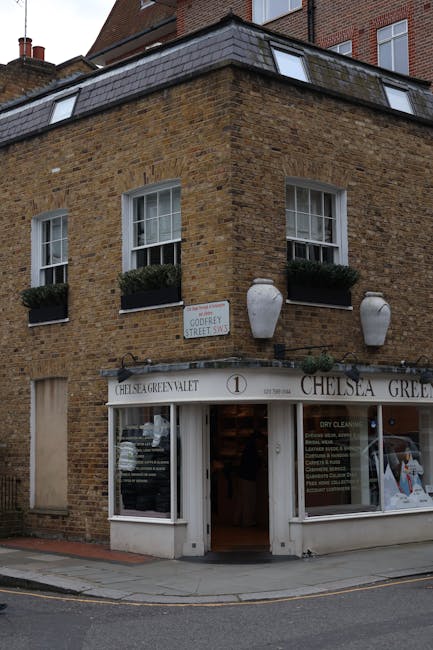
Business garden maintenance for shops on Golders Green Road

If you run a shop on Golders Green Road, the space outside your front door is doing more work than most people realise. It frames first impressions, affects how tidy the whole business feels, and can even influence whether someone slows down and comes inside. Business garden maintenance for shops on Golders Green Road is not just about keeping plants alive. It is about presentation, safety, access, and creating a frontage that looks looked-after every single day.
In a busy London setting, that matters a lot. Passers-by notice overgrown hedges, tired planters, slippery leaves, weeds pushing through paving, and bins hidden behind scruffy planting. They also notice the opposite: clean edges, healthy greenery, swept entrances, and a frontage that feels cared for. This guide walks through how commercial garden care works for shops, what to expect, which services matter most, and how to choose a sensible maintenance approach without overcomplicating things.
At a glance, the job is simple: keep the outside of the shop neat, safe, and inviting. In practice, there is a bit more to it than that. Let's get into it properly.
Why Business garden maintenance for shops on Golders Green Road Matters
For shops, the frontage is part of the brand. It is the bit customers see before they know anything else about your products, prices, or service. If the outside looks neglected, people often assume the inside will be the same. Fair or not, that is how quick judgments work. A tidy, well-maintained exterior quietly says the business is organised, reliable, and open for customers.
Golders Green Road also has the usual pressures of a busy high-street environment: foot traffic, weather, dust, rubbish blowing in, and constant wear near entrances. Plants in containers dry out faster than people expect. Edges get knocked. Hedges start to lean. Moss and debris collect on paving. And if the frontage includes a small planting bed, it can go from presentable to patchy in what feels like a week. That is not dramatic. It is just how urban outdoor spaces behave.
There is also a practical side. Overgrown shrubs can narrow walkways. Loose leaves and soil can become slippery. Unmanaged growth can hide signage, obscure windows, or make a shop look closed even when it is open. A regular maintenance plan helps prevent those little annoyances from turning into daily frustrations.
Many businesses find that a good outdoor area supports more than appearance. It can improve how people queue, where they pause, and whether they feel comfortable entering. For a cafe, florist, salon, pharmacy, convenience store, or independent retailer, that welcoming feeling matters. It is the difference between "we pass this place" and "let's pop in."
Expert summary: commercial garden maintenance works best when it is treated as part of shop presentation, not as an optional extra. The goal is consistency, not occasional rescue work.
How Business garden maintenance for shops on Golders Green Road Works
Commercial garden maintenance usually follows a simple rhythm: inspect, tidy, cut, clear, and review. The exact tasks depend on what is planted outside the shop and how much space there is. Some frontages only need planter care, sweeping, and weed control. Others need hedge trimming, lawn mowing, seasonal planting, or more involved landscape gardening.
A sensible service plan is usually built around the site itself rather than a generic schedule. That is important. A small paved frontage with a few pots has completely different needs from a shop with a recessed forecourt, boundary hedging, or a deeper planted bed at the side or rear.
In practical terms, maintenance might include:
- weed removal from paving, borders, and planters
- hedge trimming to keep lines clean and open
- lawn mowing where grassed areas are part of the frontage
- leaf clearance, especially in autumn and after windy weather
- pruning of shrubs and ornamental plants
- deadheading and seasonal tidy-ups
- light litter removal and sweeping around the entrance
- green waste collection and responsible disposal
For more involved commercial properties, the work can also include landscaping support or planned improvements through landscape gardening. If a frontage has become cluttered or hard to manage, a one-off garden clearance can reset it before a regular maintenance routine takes over.
The best approach is usually to start with a site visit or photo review, then agree a scope of work. Good providers will talk through access, working hours, waste removal, and any safety concerns before they touch a hedge trimmer. Sensible stuff, really.
Key Benefits and Practical Advantages
There are a few obvious benefits, and a few that are easy to underestimate until they are gone.
1. A more professional first impression
A neat exterior tells customers the business pays attention to detail. That matters whether they are walking in for five minutes or stopping by every week. Clean planting, trimmed greenery, and a swept entrance all help the frontage feel intentional rather than improvised.
2. Better safety and accessibility
Outdoor clutter, low-hanging growth, wet leaves, and blocked sightlines create avoidable risks. Regular maintenance reduces trip hazards, keeps entrances clearer, and helps people move in and out comfortably. That is especially useful on a busy road where people are already watching traffic, buses, and each other.
3. Less reactive damage control
Neglected planting tends to become more expensive to sort out later. What starts as a bit of weed growth can turn into compacted debris, damaged edging, overgrown shrubs, and a bigger clean-up job. Regular care is usually calmer, cheaper to manage, and less disruptive to trading hours.
4. Better use of small spaces
Many shops do not have large gardens. They have small planted corners, pots, a narrow border, or a shared frontage that still needs to look sharp. With the right maintenance routine, even a modest outside area can work hard visually. A couple of well-kept planters can do more for the look of a shop than a tired, overgrown bed ever will.
5. Stronger seasonal presentation
Spring growth, summer dry spells, autumn leaves, and winter grime all affect kerb appeal differently. A good maintenance plan adapts with the seasons rather than fighting them at the last minute. Truth be told, that is where a lot of the value lies: fewer panic jobs, more steady control.
If you want a broader view of service options, the services overview is useful for seeing how maintenance fits alongside other outdoor work. For many shopfronts, regular upkeep is the core need, while other services are used only when there is a bigger change to make.
Who This Is For and When It Makes Sense
Business garden maintenance for shops on Golders Green Road makes sense for any retailer or hospitality business with visible outdoor space. That includes front gardens, planter boxes, paved edges, side access strips, rear customer areas, and shared exterior sections that reflect on the business.
It is especially relevant if you are:
- running a shop with visible planting or front-facing greenery
- managing a cafe, deli, salon, chemist, or convenience store
- dealing with regular foot traffic and a lot of visual scrutiny
- trying to keep customer access clean in all weather
- preparing a property for a sale, inspection, or reopening
- noticing that weeds, leaves, or overgrowth keep returning faster than expected
It also makes sense if your business has staff who already do too much. You know the pattern: someone sweeps the entrance, someone else trims a hedge "when they get a minute," and before long nobody feels fully responsible for the outside area. Professional maintenance gives the work an actual owner. That alone can be a relief.
For businesses with more ambitious exterior presentation goals, a combination of maintenance and improvement work may be more appropriate. In those cases, hedge trimming, lawn mowing, or even decking services may play a role, depending on the layout. Not every shop needs all of that, of course. But it helps to know what is possible.
Step-by-Step Guidance
If you are trying to set up or improve maintenance for a shop frontage, a structured approach keeps things simple.
Step 1: Walk the site as a customer would
Stand on the pavement and look at the frontage from a distance, then from the doorway. What do you notice first? Is the entrance visible? Are the planters tidy? Is there anything that looks awkward, blocked, or a bit tired? This quick walk-through often reveals issues people stop seeing after a while.
Step 2: Separate the work into weekly, monthly, and seasonal tasks
Some jobs need frequent attention, such as sweeping, litter removal, and light weed control. Others are monthly or seasonal, like pruning, cutting back growth, or replanting containers. Breaking the work up prevents the site from swinging between "fine" and "urgent."
Step 3: Decide what must be maintained and what can be removed
Not all greenery is worth keeping. If a plant bed is overcomplicated, hard to water, or constantly messy, it may be better to simplify it. In some cases, a cleaner design is more practical than trying to rescue a weak layout. Sometimes less really is more. Annoying, but true.
Step 4: Define access and timing
Commercial maintenance needs to fit around trading hours, customer flow, deliveries, and local noise sensitivity. Early morning or quieter off-peak periods are often easiest. The point is to avoid creating disruption while still keeping standards high.
Step 5: Build in waste removal and disposal
Green waste, cuttings, old plants, and debris need a clear plan for removal. That matters more than people think. If waste sits around, the job looks unfinished even if the pruning itself was done well. Responsible disposal is part of the service, not an optional extra.
Step 6: Review the result and adjust frequency
After a few visits, you will know whether the frontage needs more or less attention. A busy corner shop with exposed planting may need more frequent visits than a quieter frontage with hardy containers. Maintenance works best when it is flexible enough to reflect reality.
Expert Tips for Better Results
A few practical habits make commercial garden upkeep much easier to live with.
- Choose hardy planting near shop entrances. Busy pavements are not kind to delicate shrubs. Hardy, low-maintenance varieties are usually a better fit than fussy planting that needs constant rescue.
- Keep lines clean. Straight edges, tidy borders, and clear entrances create a sense of order even when the planting is simple.
- Prioritise visibility. Do not let hedges, planters, or tall foliage hide windows or signage.
- Use containers strategically. Planters can soften a hard frontage, but too many can become clutter. A few well-kept ones usually work better than a crowd of neglected pots.
- Plan for weather swings. After wind or rain, debris collects quickly. A light touch-up soon after poor weather can prevent the site from looking scruffy for days.
- Think in terms of maintenance, not rescue. A recurring schedule usually performs better than waiting for things to get bad.
One thing I would stress: a frontage does not need to be lush to look good. It needs to look cared for. That is a smaller target, and often a smarter one. A shop with a simple, tidy exterior can feel more polished than a place with ambitious planting that never quite gets managed.
If your business is also reviewing safety and contractor standards, it is worth looking at the company's own health and safety policy and insurance and safety information before booking. That sort of housekeeping is boring until the day it is not.
Common Mistakes to Avoid
Commercial garden maintenance goes wrong in predictable ways. The good news is that most of them are easy to avoid.
Leaving it too long between visits
Small outdoor spaces can change fast. Letting them slide for weeks at a time usually means more labour later, not less.
Using the wrong plants for a high-traffic frontage
Some plants simply do not suit exposed commercial locations. They may look lovely for a fortnight, then struggle with shade, heat, wind, or accidental foot traffic. Choosing the right planting is part of the maintenance strategy.
Ignoring hidden problem areas
Weeds behind planters, debris near drains, and growth at the base of hedges are easy to miss. They are also the spots that tend to cause trouble later. A decent contractor checks those areas properly.
Over-trimming and flattening the look
There is a line between tidy and stripped bare. Over-trimming can make shrubs look harsh and weak, and it can remove the natural shape that gives the frontage character.
Forgetting the entrance threshold
The doorway, step, mat area, and immediate paving are part of the outdoor impression. If those areas are untidy, customers feel it before they consciously notice the planting.
Choosing price without checking scope
A cheap-looking quote can be misleading if it excludes waste removal, trimming, or basic tidying. Always check what is actually included. Nobody enjoys surprises on an invoice. Nobody.
Tools, Resources and Recommendations
The right equipment depends on the site, but commercial maintenance usually relies on a fairly practical kit rather than anything exotic.
| Task | Common tools or methods | What to watch for |
|---|---|---|
| Weed control | Hand weeding, edging, spot treatment where appropriate | Avoid damaging nearby plants or paving joints |
| Hedge trimming | Manual tools or hedge trimmers | Keep shapes even and do not cut into old wood unnecessarily |
| Lawn mowing | Rotary or cylinder mower, edging tools | Adjust cutting height to grass conditions and season |
| Leaf clearance | Rakes, blowers, collection sacks, sweeping equipment | Make sure entrances and drains are cleared properly |
| Garden clearance | Cutting, bagging, loading, waste transport | Check access and disposal arrangements before starting |
For shops that want a broader reset rather than routine tidying, a service such as garden maintenance can provide ongoing care, while garden clearance is more suitable for overgrown or neglected spaces. The distinction matters. One keeps a site under control; the other gets it back under control.
Sometimes the outdoor area also needs better surface design or structure. In those cases, it may be worth considering landscaping if the current layout makes maintenance harder than it should be. A slightly better layout can save a lot of time over the course of a year.
Law, Compliance, Standards, or Best Practice
For shopfront maintenance, compliance is mostly about safety, access, nuisance reduction, and responsible working practices. The exact obligations will depend on the property, the work being carried out, and who is responsible for the site. It is wise to be cautious rather than casual here.
In normal UK practice, a business should make sure the exterior area does not create avoidable hazards for staff, customers, or contractors. That means keeping entrances clear, reducing slippery build-up, avoiding obstructed walkways, and making sure any maintenance work is carried out safely. If working at height, using powered tools, handling waste, or managing access near pedestrians, the risk level goes up. Fast.
Good providers should also be able to explain how they manage:
- site access and public safety during work
- tool handling and operational care
- green waste collection and disposal
- insurance and general contractor responsibility
- privacy and security around customer-facing premises
If you are commissioning work for a commercial property, it is sensible to ask about payment terms, cancellation arrangements, and the service scope in advance. The business pages for payment and security and terms and conditions are the kind of pages worth checking before any work begins.
There is also a sustainability angle. Responsible green waste handling and sensible material use are part of modern best practice. If that matters to your business values or customer expectations, a provider that explains its approach to recycling and sustainability can be a better fit. Not flashy, just sensible.
Options, Methods, or Comparison Table
Shop owners often end up choosing between a few basic approaches. The right one depends on budget, frontage size, and how visible the outside area is.
| Approach | Best for | Pros | Limits |
|---|---|---|---|
| Ad hoc tidy-ups | Very small frontages with low plant demand | Cheap in the short term, easy to arrange | Can become messy quickly and feel inconsistent |
| Regular maintenance visits | Most shops with visible outdoor areas | Reliable, tidy, easier to budget for | Needs a recurring commitment |
| One-off clearance then maintenance | Neglected or overgrown sites | Resets the space and creates a clean baseline | Upfront effort may be greater |
| Maintenance plus landscaping improvements | Sites where layout is making the job harder | Long-term efficiency and better appearance | More planning and usually more cost |
For many shops, the middle option is the sweet spot. Regular maintenance is often enough to keep the frontage presentable without turning it into a project. If the area is already in poor condition, though, a clearance-and-maintenance sequence can be the cleanest way forward. You do the reset, then keep it that way. Simple enough, really.
Case Study or Real-World Example
Imagine a small independent shop on Golders Green Road with two planters by the entrance, a narrow strip of border to one side, and a bit of patchy growth near the frontage. Nothing dramatic. But after a few windy weeks, the leaves collect, the planters get tired, and the edge by the step starts looking neglected. Customers are still coming in, yet the exterior has started sending the wrong signal.
A practical maintenance plan might start with a tidy-up: remove litter, clear leaves, weed the border, trim back any awkward growth, and refresh the planters. If the planting is overcrowded or struggling, a few plants might be replaced with hardier options. The space does not need a makeover. It needs order.
After that, a routine visit every few weeks keeps everything under control. Staff no longer need to improvise with brooms or ask a manager to "have a look at the front when you get time." The frontage stays presentable, customers see a consistent standard, and the shop looks open and cared for even on grey London mornings when everything else feels a bit flat.
That kind of improvement often seems small from the inside. From the pavement, though, it is much more noticeable than people expect.
Practical Checklist
Use this checklist if you are reviewing your current setup or planning a new maintenance arrangement.
- Is the entrance clean, visible, and easy to approach?
- Are weeds, fallen leaves, and debris removed regularly?
- Are hedges, shrubs, and planters trimmed to a tidy shape?
- Does the frontage still look intentional in different seasons?
- Are any plants struggling because they are not suited to the site?
- Is waste being removed after each visit?
- Are customer walkways free from avoidable trip hazards?
- Is the work scheduled around trading hours and deliveries?
- Do you know what is included in the service and what is not?
- Have you checked safety, insurance, and payment terms before booking?
If you can tick most of those boxes, you are in good shape. If not, there is probably a simple fix rather than a major problem.
Conclusion
Business garden maintenance for shops on Golders Green Road is really about protecting the value of the first impression. Keep the outside tidy, safe, and visually calm, and the whole business benefits. Let it slide, and the frontage starts working against you in small but persistent ways.
The best maintenance plans are straightforward. They fit the site, respect trading hours, and keep on top of the little jobs before they become bigger ones. That is the whole game, more or less. A tidy shopfront does not shout. It just makes people feel they are in the right place.
Get a free quote today and see how much you can save.
And if you are still weighing up what your frontage really needs, start with a simple walk outside the shop. Stand back for ten seconds. You will usually see the answer before anyone says a word.
Frequently Asked Questions
What does business garden maintenance for shops on Golders Green Road usually include?
It usually includes weed removal, trimming, sweeping, leaf clearance, pruning, and basic tidying around the frontage. Some sites also need lawn mowing, hedge trimming, or waste removal after the work is done.
How often should a shop frontage be maintained?
That depends on the size of the space, the planting style, and how exposed the frontage is. Many shops benefit from regular visits rather than occasional big clean-ups, especially in busy pedestrian areas.
Is this service only for shops with gardens?
No. It also suits shops with planters, small borders, paved entrance areas, forecourts, and side spaces that affect the public-facing look of the business.
Why does commercial garden care matter so much for retail premises?
Because the exterior shapes customer perception before they step inside. A neat frontage suggests the business is organised and welcoming, while a neglected one can put people off without them realising why.
Can maintenance help with safety as well as appearance?
Yes. Regular upkeep can reduce slippery leaves, blocked access, overgrown pathways, and other small hazards that become annoying or unsafe if left too long.
What is the difference between garden maintenance and garden clearance?
Garden maintenance keeps an area in good condition. Garden clearance is more of a reset, used when a space has become overgrown, cluttered, or difficult to manage.
Do shops need hedge trimming if they only have a small frontage?
Not always. Hedge trimming only makes sense if there are actual hedges or dense shrubs on the property. For some shops, planters and sweeping are enough.
How do I know if landscaping would help my shop?
If the current layout makes maintenance awkward, hides the entrance, or looks cluttered even when it is tidy, then a small landscaping improvement may be worth considering.
Should I ask about insurance before booking garden work for my shop?
Yes, absolutely. For commercial premises, it is sensible to check insurance, safety practices, and the contractor's approach to public-facing work before anything starts.
What are the most common mistakes shop owners make with outdoor maintenance?
The biggest ones are leaving it too long between visits, choosing the wrong plants, ignoring hidden problem areas, and focusing only on price without checking what the service includes.
Can I combine maintenance with other services like decking or clearance?
Yes, if the site needs it. Some businesses start with clearance or improvements first, then move into regular maintenance once the area is under control.
How do I get started if my shopfront is already looking a bit tired?
Start with a site review, identify the worst issues, and decide whether you need a one-off reset or a regular schedule. If you are unsure, speaking with a local service provider is a good next step.